
Bowel Cancer Screening: When to Start and Your Test Options
What is bowel cancer?
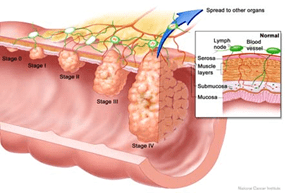
Bowel cancer (also called colorectal cancer) is one of the most common cancers in Australia, after skin cancer.
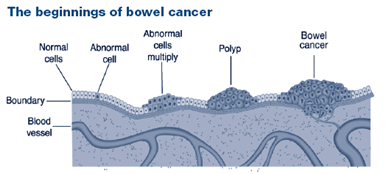
Most bowel cancers develop slowly over many years from small growths on the inner lining of the large bowel called polyps. These polyps are usually harmless at first, but some can gradually turn into cancer.
Finding and removing pre-cancerous polyps during bowel cancer screening can prevent bowel cancer from developing.
When bowel cancer is detected early, treatment is highly effective. Around 9 out of 10 people diagnosed at an early stage can be treated successfully, which is why early detection and screening matter so much.
Who is at increased risk of bowel cancer?
In Australia, the lifetime risk of bowel cancer up to around age 85 is approximately:
-
About 1 in 10 for men
-
About 1 in 15 for women
The risk of bowel cancer increases with age. Men also tend to develop bowel cancer about 5 to 10 years earlier than women.
Bowel cancer risk is higher for people who have:
-
Blood passed during a bowel motion
-
A change in bowel habit lasting more than two weeks
-
A personal history of bowel cancer or polyps
-
A family member with bowel cancer or advanced polyps
-
Colitis for more than 10 years
Do I need bowel cancer screening if I have no symptoms and no family history?
Yes.
Australia has one of the highest rates of bowel cancer in the world. Most bowel cancers occur in people who have no symptoms and no family history.
Early bowel cancer and advanced polyps often cause no symptoms at all. If you wait for symptoms, doctors often find the cancer later. Later cancers are harder to treat.
Screening saves lives. Bowel cancer is one of the most preventable and most curable cancers when doctors find it early. Many cancers start as polyps. Doctors can remove these before cancer develops. Several safe and effective screening tests exist.
What screening options do I have after I turn 45?
There is no perfect test. Each option has strengths and limits.
Option 1: Faecal Occult Blood Test (FOBT) every 1–2 years
(with or without a once-only colonoscopy around age 60–65)
This simple test is done at home. It does not invade the body. It looks for tiny amounts of hidden blood in the stool. Early bowel cancer and polyps can cause this bleeding.
Polyps and cancers can bleed for years without symptoms. A stool test is the only way to find this hidden bleeding.
Regular FOBT screening lowers the risk of dying from bowel cancer. The benefit grows the longer you stay in the program. It also grows when you test on time.
One or two negative tests do not mean “all clear”. Screening only works if you keep going for many years.
A positive FOBT means cancer in only a small number of people. Still, every positive test needs a colonoscopy to find the cause.
Option 2: Colonoscopy every 10 years
(often from about age 50, earlier if there is a strong family history)
Colonoscopy is the most accurate test. It lets doctors find and remove polyps in the same procedure.
Colonoscopy lowers the risk of bowel cancer and death from bowel cancer.
It needs bowel preparation and a day procedure. Most people also have sedation. The test costs more. Medicare cover depends on age, symptoms, and family history.
Serious complications are uncommon, but they can happen. A normal colonoscopy does not guarantee you will never develop polyps or cancer. This is why repeat screening still matters.
Option 3: Flexible sigmoidoscopy every 5 years plus FOBT
This test looks at the left side of the bowel, where many cancers occur. It usually does not need sedation. It also avoids full bowel preparation.
Because it does not examine the whole bowel, doctors often combine it with FOBT. This reduces the chance of missing right-sided cancers.
Serious complications are rare.
Option 4: CT colonography every 5 years
This scan can be accurate when an experienced radiologist reports it. It still needs bowel preparation and can feel uncomfortable. It can miss small polyps.
If the scan finds polyps, you still need a colonoscopy to remove them.
The scan uses a low dose of radiation. It also often finds unrelated issues. These findings can lead to more tests.
Is bowel cancer screening for me?
If you are 45 or over, bowel cancer screening may save your life. Some people benefit from screening from age 40.
Australians receive invitations to the National Bowel Cancer Screening Program. This program uses FOBT every two years.
Many people still do not take part, even when they get a free test. This helps explain why bowel cancer death rates have not fallen as much as they should.
Some people choose colonoscopy every 10 years. Others choose FOBT at home every year or two. Both approaches aim to find cancer early.
Screening when you feel well is a preventive health choice. It is like checking blood pressure, getting a flu shot, doing skin checks, or having breast or cervical screening.
Talk with your doctor about your choice. Encourage people close to you over 50 to do the same. No test is perfect. Any screening beats waiting until it is too late.
- Are you over 45?
- Your risk of bowel cancer is real, even if you feel well and have no symptoms.
- Australia has one of the highest bowel cancer rates in the world.
- Doctors can often prevent or cure bowel cancer when they find it early.
- Do not let embarrassment or delay cost you your health.
- Bowel cancer screening saves lives.