
Core IBD therapies
Core foundational therapies like 5-ASA, prednisone, thiopurines, and methotrexate remain highly effective and are often the best choice depending on the individual case. While newer complex therapies for IBD, represent exciting advancements, these time-tested therapies have been rigorously studied and are supported by decades of robust evidence for their safety and efficacy.
_PG_1.jpg)
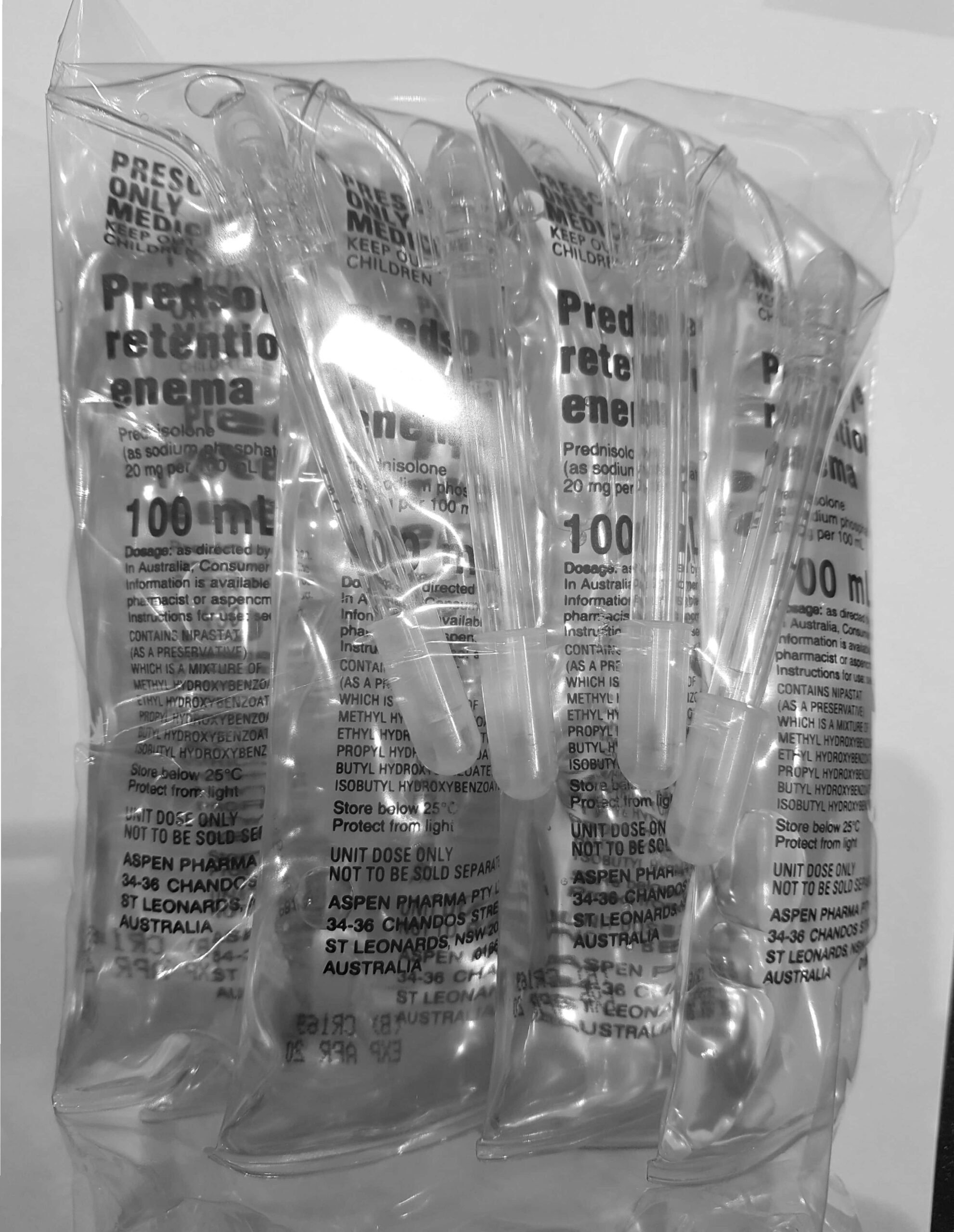
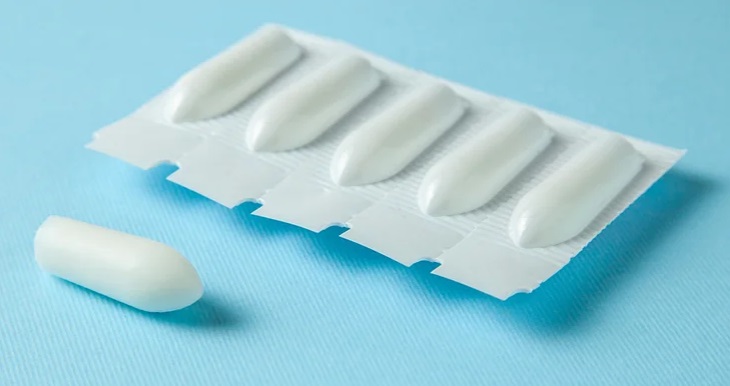
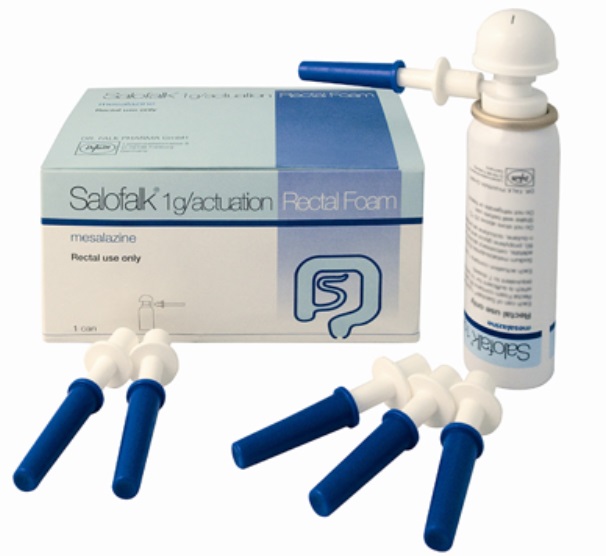
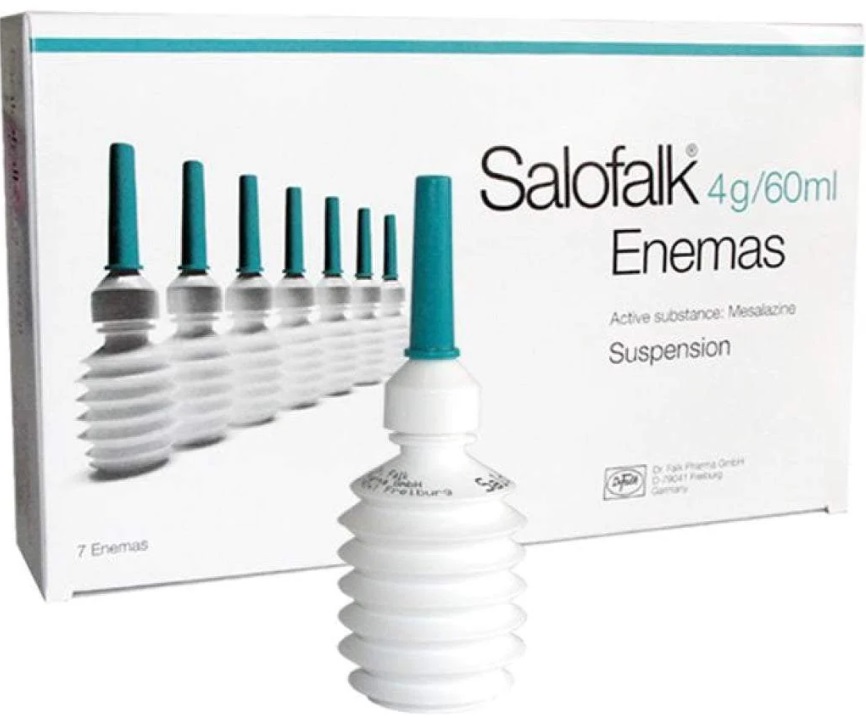
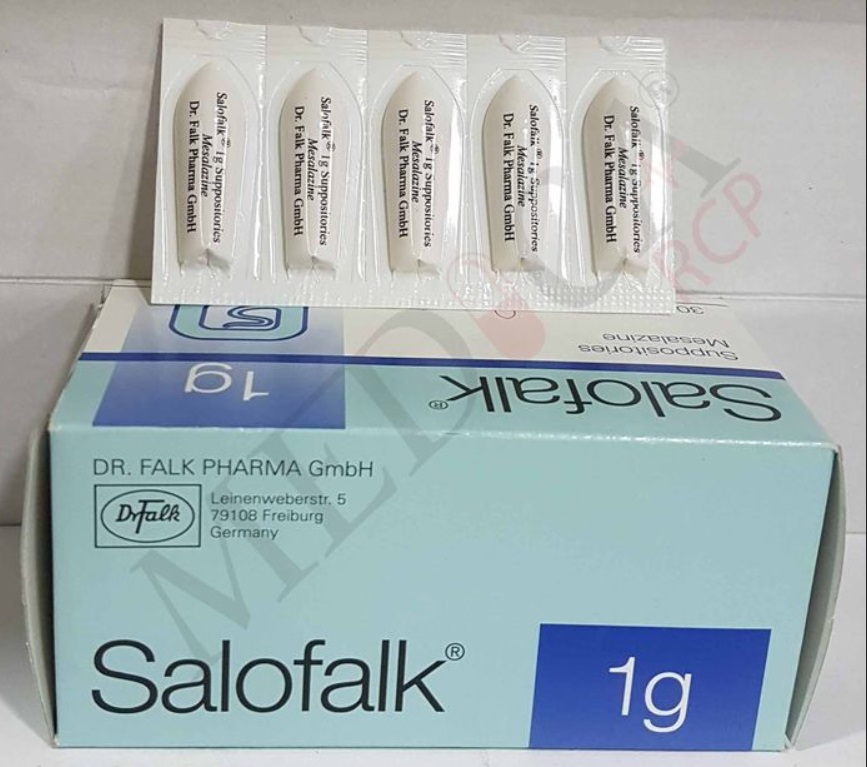

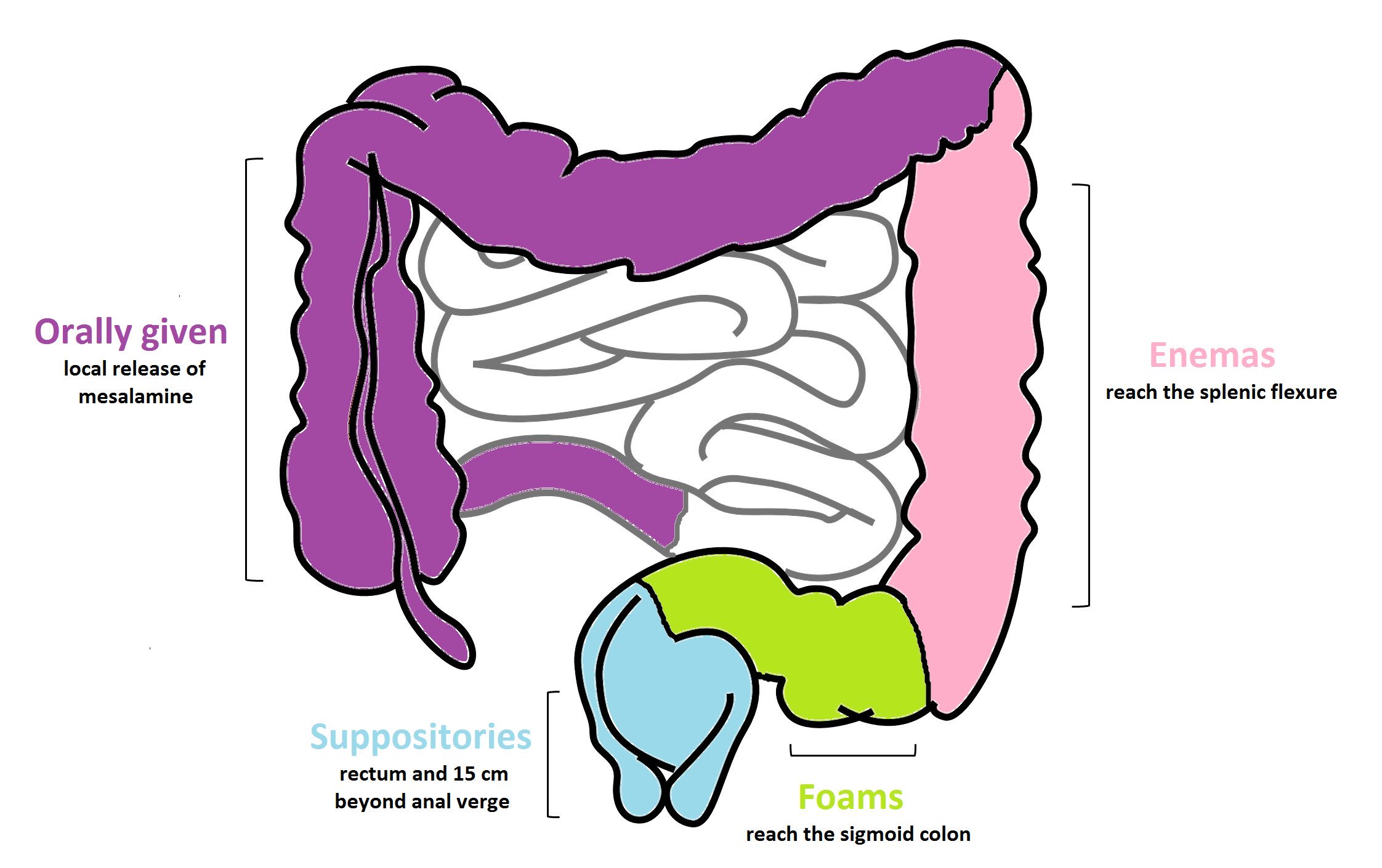
PBS Complex Drugs Program for IBD
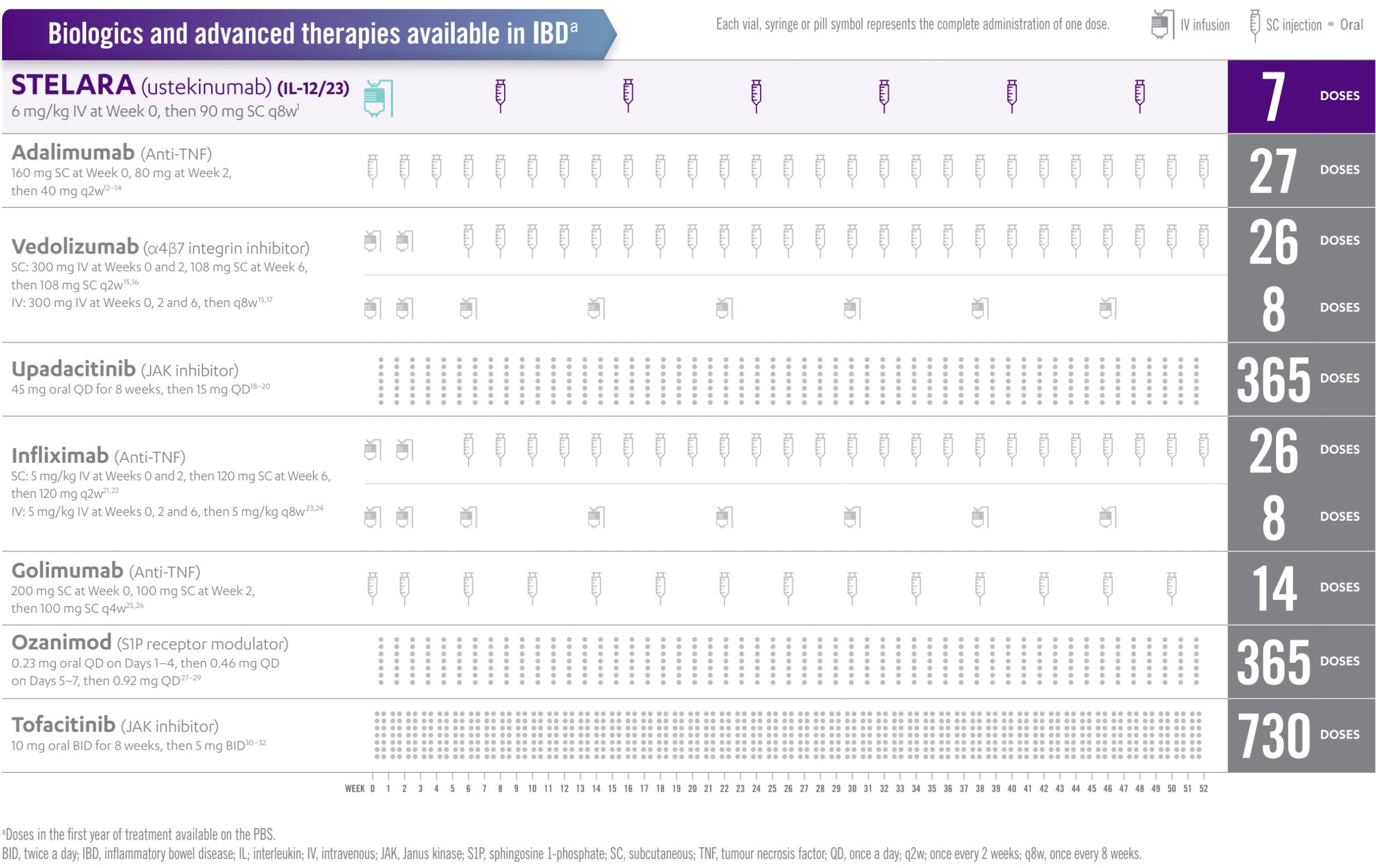
Inflammatory Bowel Disease (IBD) treatment has evolved to include a growing class of complex drugs, many of which target one of five key inflammatory pathways: anti-TNF agents, anti-integrins, IL-12/23 inhibitors, JAK inhibitors, and S1P receptor modulators. These therapies differ from traditional small molecules in their structure, mechanism, and site of action—often requiring advanced delivery systems or biologic manufacturing processes. While these drugs offer the promise of greater precision and efficacy, they also introduce new challenges in monitoring, sequencing, and managing long-term safety. This section explores each mechanism in practical terms, helping patients and clinicians navigate the expanding landscape of IBD therapeutics.
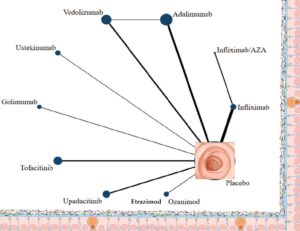
5 distinct mechanisms:
- anti-TNF
- infliximab (IV:®Remicade, ®Inflectra, ®Renflexis; SC:®Remsima)
- adalimumab (®Humira, ®Abrilada, ®Amgevita, ®Hadlima,®Hyrimoz; ® Adaclip, ®Hadlima, ®Yuflyma)
- golimumab (®Simponi)
- anti-adhesion: vedolizumab (®Entyvio)
- anti-IL12/23: ustekinumab (®Stelara)
- JAK inhibitors: upaticitinib (®Rinvoq), tofacitinib (®Xeljanz)
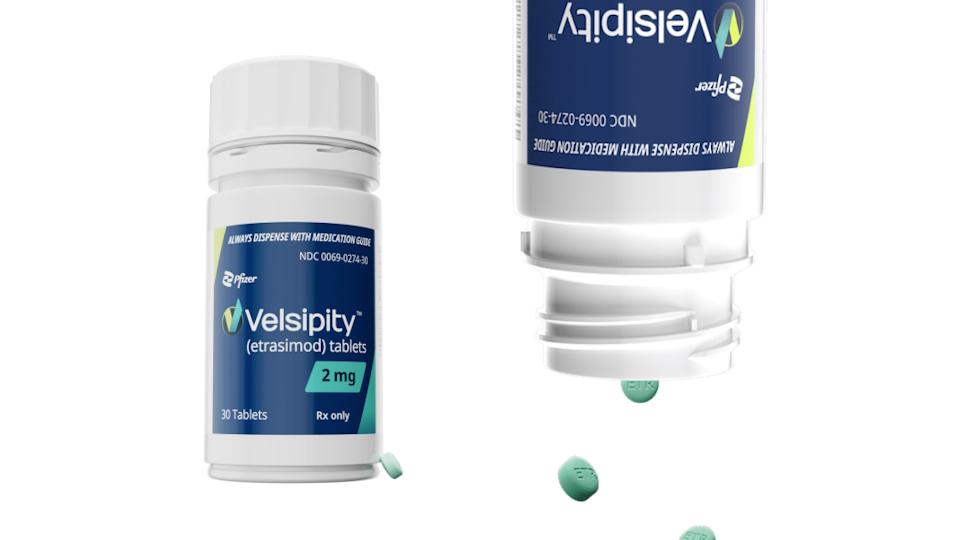
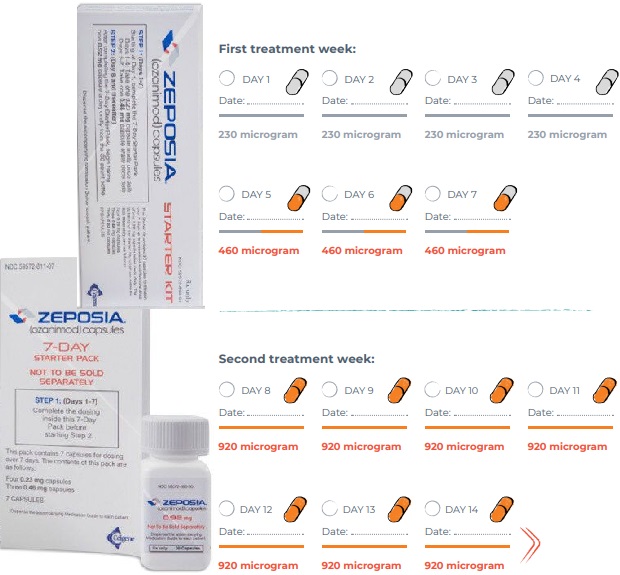
- SIP inhibitors: etrasimod (®Velsipity), ozanimod (®Zeposia)
Biologics


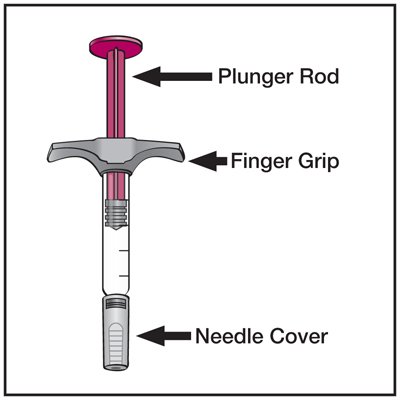

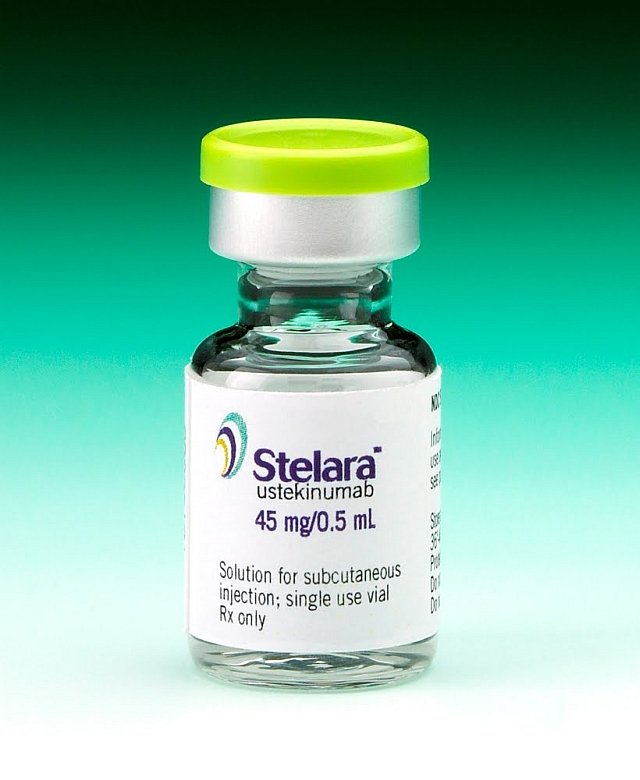
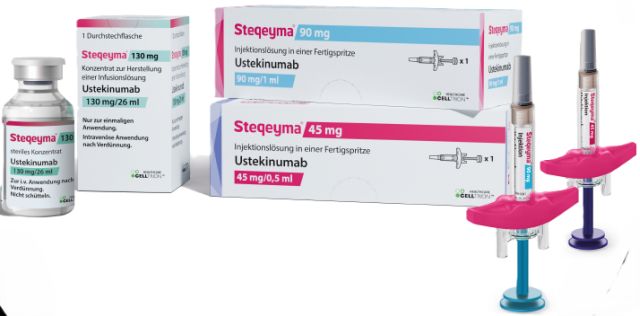
Small molecules
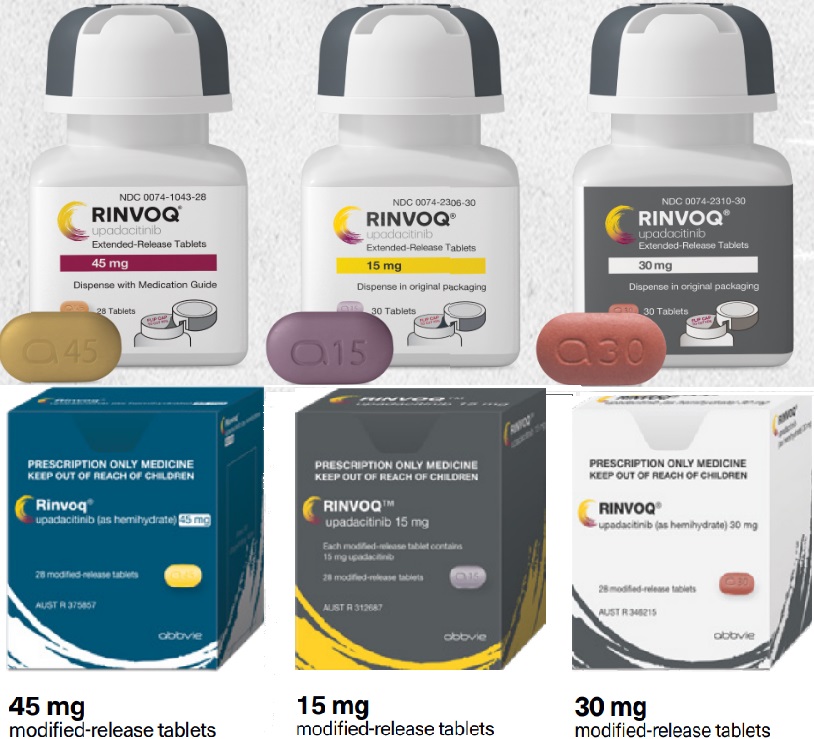

Authority applications
Services Australia's PBS Complex Drugs Programs Inquiry Line: 1800 700 270 option 6 Monday to Friday, 8 am to 5 pm:
Indications:
Ulcerative colitis ( IFX-iv, GOL, OZAN, ETRA, TOFA, UPA, USTE, VEDO-iv/sc)
- MAYO 6(or pM 6 RB2/SF2) on 3/12 5ASA+AZAT/6MP
Crohn's (ADA, IFX, UPA, USTE, VEDO)
- CDAI 300 (or 220+>50cm SI) on 6/52+AZAT/6MP/MTX 3/12
Fisulising Crohn's disease (ADA, IFX-iv/sc, UST)
Chronic pouchitis (VEDO)
- >1yr IPAA, mPDAI 5+endo 2
HPOS forms upload only needed for:
- initial treatment (UC, CD, FCD, CP)
- CDAI must be with 1/12 of stopping system therapy (steroid or thiopurine or MTX)
- unless all 4 systemic therapies contraindicated
- change or recommence (after <5 yr break) or stop (UC, CD, FCD)
- first Crohn's (CD, FCD) continuing (all)
- subsequent Crohn's (CD, FCD) continuing for non-biosimilar agents (eg. ®Remsima, UPA, ®Stelara, VEDO) OR weekly CD biosimilar 4+5
Streamlined approval available for:
subsequent continuing treatments with PBS-subsidised biosimilar brands after first continuing application approval (ie. infliximab, adalimumab, ustekinumab q12wk only)
- Crohn's (6 months)
- Fistulising Crohn's (6 months)
- Ulcerative colitis - ASUC (wk 2, 6) + UC (6 months)+UC (6 months weekly ADA 4+5)
Phone/HPOS approval for:
- UC - continuing treatment (non-biosimilars eg. ®Remicade, ®Humira, USTE, VEDO-IV/SC, ETRA, OZAN, GOL, TOFA, UPA)
- CD - unlisted quantity and repeats (eg. weekly adalimumab or q8wk ®Steqyema) or ®Remicade
- extended induction period - upadacitinib (8-16wks) or IV vedolizumab (14-24 wk) for Crohn's
- balance of supply applications
Toxicity severity descriptors for prednisone, thiopurines, methotrexate need to be included on forms
Dose optimisation/compassionate access programs:
PBS: q8wk ustekinumab 1+2 phone (1+1 q12wk ®Steqyema streamlined); weekly ADA - UC (streamlined 4+5), CD (written 4+5), FCD (PBS NOT AVAILABLE, need compassionate)
Celltrion [Yuflyma (adalimumab), Remsima SC (infliximab) and SteQeyma (ustekinumab)]
please post all hard copy Celltrion scripts (compassionate +/- pbs) to their Mandatory Pharmacist:
A: Inservio Home
Reply Paid 91672
Frenchs Forest NSW 1640
E: Celltrion@inserviohome.com.au
T: 1300 803 901
Janssen Pro (Remicade infliximab/Stelara ustekinumab)
Pfizer - Inflectra (infliximab)
Entyvio (Vedolizumab)
Patient support programs:
Viral hepatitis
Chronic hepatitis B infection
Entecavir 500mcg 60+5 authority code:
4993 (non-cirrhotic + HBVDNA > 2,000 IU/mL or 20,000/eAg + chronic liver injury on bx/LFT);
5036 (cirrhosis CTP A+ DNA detectable + if CTP B/C -ascites, variceal bleeding, encephalopathy, alb<30, Bil>30 discuss transplant unit
NSW Health 3 year consent form 100 co-payments
Drugs affecting DGBI symptoms — clinician reference
Registrar / VMO reference. Not for the public patient page. Starting doses are titration guides only — confirm against eTG / product information / local formulary.
Start low, go slow — dosing principles
- Neuromodulators: begin at the lowest dose, titrate every 1–2 weeks to the lowest effective dose. Warn that early effects (sedation, dry mouth, nausea) usually settle within 1–2 weeks; allow an adequate trial (~6–8 weeks at target dose) before judging response; frame explicitly as gut–brain dosing, not psychiatric dosing.
- Fibre: introduce one fibre at a time, start low and increase gradually over weeks with adequate fluid. Too-rapid escalation causes bloating, gas and pain and is the main driver of early discontinuation.
- Reassess tolerability and response before each escalation; stop if no benefit after an adequate trial.
Gut–brain neuromodulators (central + peripheral)
| Agent / class | Effect | Mechanism | Notes |
|---|---|---|---|
| Tricyclics — amitriptyline, nortriptyline, imipramine | Bidirectional | Central noradrenaline/5-HT reuptake inhibition dampens visceral afferent signalling and pain; peripheral antimuscarinic action slows transit. | First-line neuromodulator for DGBI pain, esp. IBS-D (constipating effect useful). Low gut–brain doses. Nortriptyline better tolerated (less anticholinergic/sedation).Dose: start 10 mg nocte; ↑ by 10 mg every 1–2 wk; usual 10–30 mg (max ~50–75 mg if tolerated/needed). |
| Duloxetine (SNRI) | Helps | NA/5-HT reuptake inhibition; descending inhibitory modulation of visceral pain. | Useful where pain + comorbid anxiety/depression; weight-neutral. Can worsen nausea early. Not constipating (option if TCA transit effect unwanted).Dose: start 30 mg mane; ↑ to 60 mg after 1–2 wk if needed. |
| Mirtazapine | Helps | 5-HT3 and H1 antagonism; central appetite stimulation; antiemetic. | Targets nausea, early satiety, poor appetite/weight loss — functional dyspepsia (PDS), CNVS, rumination-adjacent presentations. Sedating (nocte).Dose: start 15 mg nocte; usual 15–30 mg (lower dose often more sedating). |
| Gabapentinoids — pregabalin, gabapentin | May help | α2δ voltage-gated Ca²⁺ channel binding on DRG neurons → reduced neurotransmitter release; lowers central/peripheral visceral hypersensitivity. | Adjunct for hypersensitivity/pain; some evidence in functional dyspepsia and rectal hypersensitivity. Sedation, misuse potential — note current prescribing scrutiny.Dose: pregabalin start 25–75 mg nocte, ↑ slowly to 150–300 mg/day divided; gabapentin start 100 mg nocte/TDS, ↑ to 300 mg TDS+. |
| SSRIs | Bidirectional | ↑ synaptic 5-HT; 5-HT4-driven prokinesis can accelerate transit. | Less useful for pain than TCA/SNRI; may help constipation-predominant pictures or comorbid anxiety; can precipitate diarrhoea.Dose: standard antidepressant dosing (not sub-therapeutic) — e.g. sertraline 50 mg, citalopram 20 mg; titrate as usual. |
Prokinetics / motility agents
| Agent | Effect | Mechanism | Notes |
|---|---|---|---|
| Domperidone | Helps | Peripheral D2 antagonist; enhances antroduodenal motility and gastric emptying; antiemetic. | Gastroparesis / PDS. QT prolongation — dose/duration limits, caution with other QT drugs. |
| Metoclopramide | Helps | D2 antagonist + 5-HT4 agonist; central and peripheral; antiemetic. | Short-term only — extrapyramidal / tardive dyskinesia risk (max ~5 days per current advice). |
| Erythromycin (low-dose) | Helps | Motilin receptor agonist → strong gastric prokinesis. | Gastroparesis; tachyphylaxis with continued use. QT / interactions. |
| Prucalopride | Helps motility | Selective 5-HT4 agonist → cholinergic enteric stimulation; prokinetic throughout the gut (gastric, small-bowel and colonic transit), not colon-only. | Registered AU (Resotran) for chronic constipation / STC. Off-label for gastroparesis / upper-GI dysmotility — evidence for accelerated gastric emptying. Cardiac-safe vs older 5-HT4 agents.Dose: 2 mg once daily (1 mg if >65 yr or renal impairment). |
| Pyridostigmine | May help | Oral cholinesterase inhibitor → ↑ ACh at enteric and autonomic ganglionic synapses; promotes colonic transit and enhances autonomic (ganglionic) transmission. | Off-label for slow-transit constipation / CIPO. Also used in dysautonomia — neurogenic orthostatic hypotension and POTS. Consider where gastroparesis coexists with a POTS-like autonomic syndrome (dual gut + autonomic benefit). (Correct agent — not physostigmine.)Dose: 30–60 mg BD–TDS. |
Bowel- and lumen-directed agents
| Agent / class | Effect | Mechanism | Notes |
|---|---|---|---|
| Loperamide | Helps IBS-D | Peripherally restricted μ-opioid agonist; slows transit, ↑ sphincter tone; does not cross BBB. | Symptomatic IBS-D / urgency. No central analgesia, no dependence at usual doses. |
| Secretagogue — linaclotide | Helps IBS-C | Guanylate cyclase-C agonist → ↑ luminal fluid + accelerated transit; also ↓ visceral afferent firing (analgesic). | Available AU (Constella). Diarrhoea is main dose-limiter. |
| Ondansetron (5-HT3 antagonist) | Helps IBS-D | Blocks 5-HT3 on vagal/spinal afferents → slow colonic transit, ↓ visceral hypersensitivity. | Off-label for IBS-D; available AU. |
| Hyoscine butylbromide | Helps pain/spasm | Antimuscarinic — blocks peripheral M-receptors, ↓ cholinergic smooth-muscle stimulation. | Poorly absorbed orally; useful PRN for cramping. Anticholinergic cautions (glaucoma, obstructive uropathy, tachyarrhythmia).Dose: 10–20 mg up to TDS–QID PRN. |
| Mebeverine | Helps pain/spasm | Direct smooth-muscle antispasmodic; ion-channel effects on excitability rather than anticholinergic blockade. Exact mechanism not fully settled. | No anticholinergic burden — option where antimuscarinic effects unwanted.Dose: 135 mg TDS before meals (or 200 mg MR BD). |
| Peppermint oil (enteric-coated) | Helps pain/spasm | Direct smooth-muscle relaxation, predominantly ↓ Ca²⁺ influx; menthol TRP-channel effects may contribute. | Best RCT evidence of the antispasmodics for IBS pain. Enteric-coat to limit LOS relaxation / heartburn.Dose: 1 enteric-coated capsule (~0.2 mL / 187 mg) TDS before meals. |
| Iberogast (STW-5) | Modulatory | Multi-herb, multi-target. Bidirectional motility modulation (fundic relaxation + ↑ antral contractility), Ca²⁺-dependent antispasmodic action, and reduced visceral afferent sensitivity (TRPA1/TRPV1); experimental interactions at 5-HT3, 5-HT4, M3 and opioid receptors — not a specific agonist/antagonist at any one. | Used in FD and IBS. Rare idiosyncratic hepatotoxicity (DILI) — TGA/EMA safety actions; counsel re: hepatic warning signs, review if relevant symptoms. Current AU product is the 6-herb reformulation (greater celandine removed), but DILI reports persisted post-reformulation — don't present it as fully resolved. Most mechanistic data are from the older 9-herb STW-5.Dose: 20 drops TDS with meals. |
| Bile acid sequestrants — cholestyramine, colesevelam | Bidirectional | Bind excess colonic bile acids → ↓ secretory diarrhoea (BAD); overcorrection → constipation/bloating. | Consider BAD in IBS-D / post-cholecystectomy / terminal ileal disease. Colesevelam better tolerated. |
| Rifaximin | May help | Gut-restricted antibiotic; modulates luminal bacterial density/composition without systemic dysbiosis. | Off-label for IBS-D/bloating (AU registration is HE / travellers' diarrhoea). Cost/access relevant. |
| Broad-spectrum antibiotics | Worsens | Disrupt commensal diversity → pathobiont overgrowth, osmotic/secretory diarrhoea; post-infective DGBI risk. | Relevant history in new-onset IBS. |
Fibre supplements
Soluble fibre is preferred in IBS; introduce one at a time, start low and titrate over weeks (see dosing principles above). Adequate fluid throughout.
| Fibre | Effect | Type / mechanism | Notes & dosing |
|---|---|---|---|
| Psyllium (ispaghula) | Helps (regulator) | Soluble, highly viscous, poorly fermented — a stool regulator, not a one-way laxative. Gel-forming: softens/adds water to hard slow-transit stool and binds excess luminal water to thicken loose stool. Low gas (resists fermentation, unlike bran). Not a stimulant (cf. senna) or motility-slower (cf. loperamide). | Works in IBS-C and IBS-D, but strongest/most consistent trial evidence is in constipation. ACG IBS guideline: strong recommendation for psyllium, explicitly not wheat bran (ispaghula NNT ~6–7; a 2026 meta-analysis reported RR ~1.53 for response). Direct IBS-D data sparser — used on mechanistic (water-binding) rationale. Same titration regardless of subtype.Dose: start ~5 g OD–BD with fluid; titrate every 5–7 days; practical target ~10 g BD (20 g/day). Full titration & formulation note below. |
| Partially hydrolysed guar gum (PHGG) | Helps | Soluble, fermentable but low gas-forming; prebiotic; regulates transit bidirectionally. | Well tolerated; useful where psyllium bloats. Tasteless/dissolves — good adherence.Dose: start ~3–5 g/day; usual 5–10 g/day. Evidence-based: pelvic-radiation diarrhoea RCT used 10 g BD. |
| Carob powder (carob pod flour) | Helps diarrhoea | Soluble fibre + polyphenolic tannins; bulking/antidiarrhoeal; bile-acid/water binding proposed. | Evidence mainly infective and drug-induced (e.g. nintedanib) diarrhoea — low quality, uncontrolled. Use carob pod flour, not locust bean gum.Dose: 7 g mane; if still loose after ~3 days, 7 g BD (14 g/day). |
| Green banana flour (resistant starch) | Helps diarrhoea | Resistant starch; colonic fermentation → SCFAs (butyrate, propionate, acetate) → ↑ Na⁺/water absorption and improved mucosal barrier. | RCT / meta-analysis evidence in paediatric acute & persistent infectious diarrhoea (faster resolution). No adult or drug-induced-diarrhoea trials — adult dose extrapolated, not validated.Dose: 5–7 g/day (extrapolated). |
| Wheat bran (insoluble) | Often worsens IBS | Insoluble, poorly water-holding; accelerates transit but mechanically irritant. | Not recommended in IBS — frequently worsens bloating, distension and pain. Favour soluble fibre instead. Included for completeness/contrast.If used: start low; discontinue if symptoms worsen. |
Psyllium — practical dosing, titration & formulation
- Start: ~5 g (a level teaspoon of husk) once–twice daily in water, with meals and adequate fluid.
- Titrate: increase every 5–7 days by effect and gas/bloating. AGA technical review — begin with two daily doses with fluid/meals, reassess after 7–10 days; counsel that there is no immediate laxative-like response and that gassiness usually settles after several days.
- Target / ceiling: ~10 g BD (20 g/day). Dose-ranging in IBS found 20 g/day optimal — superior to 10 g/day, no added benefit at 30 g/day; the pivotal RCT used ispaghula 10 g BD. Trial range 6–30 g/day.
- Subtype: no separate IBS-C vs IBS-D regimen — same soluble gel-former, titrated the same way; mechanism is bulking/water-binding, not laxative stimulation.
- Tolerability: bloating and flatulence are dose-related and the main limiters; slow titration + consistent fluid reduce dropout. (Primary-care RCT: AEs ~74% psyllium vs ~66% placebo; ~1 in 5 discontinued bran — reinforcing psyllium, not bran.)
- Formulation: essentially all pivotal efficacy data used husk powder mixed in water (basis of the ACG strong rec, NNT ~6–7); powder allows flexible titration but must be mixed fresh (gels on standing), texture the main downside. Capsules/wafers are not separately validated in IBS — better for the texture-averse, but many capsules are needed to reach target dose, limiting adherence. Choose by tolerability/adherence, not comparative efficacy.
Combination fibre for chronic diarrhoea (untested as a formulation)
Green banana or carob flour 5–7 g + PHGG 3–5 g + psyllium 3–4 g once daily; titrate to BD by tolerance and response — do not start at BD.
Mechanistically complementary — a bulking/absorptive base (green banana resistant starch → SCFA-driven Na⁺/water absorption, or carob → soluble fibre + tannins, water/bile-acid binding), PHGG (viscosity + prebiotic, low gas), psyllium (water-holding/viscosity, stool-firming). The individual component doses sit at the cautious end of their studied ranges (see table); the combination has not been tested as a formulation and is not an established regimen. A titration hypothesis for consideration, not a recommendation.
Drugs that commonly worsen or modify DGBI symptoms
| Agent / class | Effect | Mechanism | Notes |
|---|---|---|---|
| Opioids (systemic) | Worsens | Enteric μ-agonism suppresses peristalsis/secretion (OIC); chronic use → central sensitisation and opioid-induced hyperalgesia / narcotic bowel syndrome — paradoxically escalating abdominal pain. | Key DGBI teaching point: escalating opioids for functional pain is counterproductive. PAMORAs for OIC; structured withdrawal for narcotic bowel. |
| GLP-1 receptor agonists | Worsens | Vagally-mediated delay of gastric emptying → nausea, bloating, early satiety; can mimic/unmask gastroparesis. | Increasingly common. Ask specifically — dose-titration, hold peri-procedure (aspiration risk), symptom overlap with FD. |
| NSAIDs | Worsens | COX inhibition → ↓ mucosal prostaglandins; erosions, ulceration, strictures; small-bowel enteropathy. | Reconsider as symptom driver; also confounds “normal endoscopy” narratives. |
| Proton pump inhibitors | Worsens | Hypochlorhydria shifts small-bowel/colonic microbiota → SIBO/dysbiosis-driven bloating. | Deprescribe where indication weak; consider in bloating-predominant pictures. |
| Metformin | Worsens | ↑ enterochromaffin 5-HT release, bile acid pool expansion, microbiota shift → diarrhoea. | XR formulation / titration mitigates. Common IBS-D confounder in T2DM. |
| Calcium channel blockers | Bidirectional | Systemic CCBs slow colonic smooth muscle (constipation); gut-selective antispasmodic agents ↓ spasm/pain. | Verapamil notably constipating. |
| Antihistamines / anticholinergics | Bidirectional | Anticholinergic burden slows transit (constipation); gut H1/mast-cell blockade (e.g. ebastine) may ↓ visceral hypersensitivity. | Mast-cell/H1 angle is an active research area in IBS. |
| Antacids & iron salts | Bidirectional | Mg²⁺ and iron poorly absorbed → osmotic diarrhoea; Al³⁺/Ca²⁺ salts slow motility → constipation. | Simple, reversible symptom drivers — review the OTC/supplement list. |
Effect labels describe typical direction on DGBI symptoms, not licensed indications. Mechanism/effect columns reflect established pharmacology; availability and PBS status reflect a Jan 2026 cutoff and must be confirmed against current TGA/PBS. Doses omitted intentionally — see eTG / product information. Clinician reference only; not medical advice for patients.
Gut-directed hypnotherapy for DGBI — clinician guide
Evidence, patient selection, mechanism, delivery and review. Evidence is strongest for IBS. Use alongside formal training, current guidelines and local referral pathways.
1. Where the evidence is strongest
IBS
Strongest evidence base. The supplied 2025 meta-analysis included 12 studies (1,158 participants). High-volume delivery (≥7 sessions and ≥5 hours contact) and group delivery showed significant improvement in global IBS symptoms; pain improvement was significant across five studies with low heterogeneity.
Other DGBI
Randomised evidence also exists for functional dyspepsia, with smaller studies in non-cardiac chest pain, functional abdominal pain and related disorders. Evidence for reflux/globus is substantially weaker and largely case-series level in the supplied summary.
Recent trials also support digital delivery, but the supplied 2026 three-arm trial found therapist-delivered GDH more effective than psychoeducation and did not establish non-inferiority of smartphone self-guided treatment versus in-person therapy.
2. What symptoms may change?
Do not frame GDH as an analgesic-only intervention. Published IBS data show improvement across symptom domains, including abdominal pain, bloating, bowel-habit dissatisfaction and quality-of-life interference. Effects are not clearly restricted by IBS subtype in the supplied predictor data.
3. Mechanistic model — useful, but avoid overclaiming
Peripheral / gut
Reported effects include changes in rectal sensory thresholds and colonic motility. These findings suggest that treatment effects are not confined to conscious pain appraisal.
Afferent / central
Functional imaging studies show changes in brain responses to rectal distension and in functional connectivity, consistent with altered processing of visceral afferent input.
Autonomic / efferent
Heart and respiratory-rate changes and motility effects are consistent with altered autonomic balance. The literature does not directly separate vagal from spinal contributions to treatment response.
Do not claim that GDH “activates the vagus nerve” or the cholinergic anti-inflammatory pathway as an established human mechanism. In the supplied evidence, vagal/CAP involvement remains biologically plausible but indirect. No human IBD trial directly demonstrated vagal efferent firing, α7 nicotinic receptor engagement or macrophage cytokine suppression as the causal chain.
4. Who might be considered?
- IBS with persistent or burdensome symptoms despite reasonable first-line management.
- Patients who prefer a non-pharmacological brain–gut treatment or want to reduce reliance on medication.
- Patients with prominent visceral hypersensitivity, symptom-related fear/hypervigilance or fluctuating multi-domain symptoms where a brain–gut approach fits the clinical formulation.
- Selected patients with functional dyspepsia or other DGBI where the evidence and local expertise justify a trial.
Hypnotisability should not be used as a screening requirement; the supplied predictor literature reports that it does not reliably predict outcome.
5. When broader psychological or psychiatric care may need priority
The supplied Rome/predictor summaries suggest that significant untreated depression, severe anxiety, active trauma-related instability or dissociative pathology may reduce engagement, increase dropout or make a broader psychological treatment more appropriate before gut-specific GDH. Prediction is imperfect and inconsistent across studies, so these factors should inform rather than automatically exclude.
Escalate for specialist mental-health assessment where there is active suicidality, psychosis, severe dissociation, unstable trauma symptoms or another condition that makes focused hypnotic work clinically inappropriate.
6. Delivery
| Element | Practical clinician guidance |
|---|---|
| Format | Therapist-delivered individual or group GDH has the strongest established evidence. Digital/self-guided options can be useful but should not be assumed equivalent to therapist delivery. |
| Dose / course | Published protocols vary. The supplied evidence suggests more consistent effects with higher-volume courses (≥7 sessions and ≥5 hours contact); 6- versus 12-session courses may be individualised according to severity, comorbidity and response. |
| Content | Focused attention/relaxation plus gut-directed imagery and suggestions aimed at normalising sensation, motility and gut–brain signalling. Home practice is commonly used. |
| Framing | Explain the biological model first. Avoid “it is stress” language. Preserve diagnostic safety and patient autonomy. |
| Outcome review | Agree in advance which symptoms/functions matter, when to review, what would count as worthwhile benefit and when to stop. |
7. What to measure
- Primary symptom burden (e.g. IBS-SSS where appropriate).
- Pain frequency/intensity if pain is a key target.
- Bloating/distension, stool pattern/urgency or upper-GI symptoms according to phenotype.
- Quality of life and functional interference.
- Treatment burden, adherence/home practice and whether the patient considers the change worthwhile.
Use a pre-agreed review point rather than continuing indefinitely without evidence of benefit.
8. Durability
Long-term data are a strength of GDH. In the supplied Manchester follow-up, 81% of initial responders maintained improvement for up to six years. A 2025 nurse-administered follow-up reported broadly stable response rates through two years. These figures apply to responders/cohorts studied and should not be presented as a guaranteed individual outcome.
9. IBD: separate symptom treatment from disease control
GDH has been studied in ulcerative colitis, including a remission-maintenance RCT and small mechanistic studies showing changes in inflammatory mediators. However, the supplied evidence does not establish a direct vagal/CAP mechanism and is not sufficient to position GDH as a replacement for evidence-based anti-inflammatory therapy.
In IBD, use GDH—if used at all—as an adjunct for symptom burden, coping or selected remission-maintenance contexts, while objectively monitoring inflammatory disease according to standard care.
10. Common questions for clinicians
Does a response mean the symptoms were psychological?
No. Improvement after a brain–gut behavioural therapy is compatible with modulation of physiological signalling at multiple levels. Treatment response does not determine aetiology.
Does the patient need to believe in hypnosis?
No. Engagement and willingness to practise matter, but the supplied evidence does not support using hypnotisability as a requirement for treatment.
Is GDH mainly a vagal therapy?
No. The supplied literature supports effects across peripheral, afferent, central and autonomic levels. Direct vagal-versus-spinal pathway attribution has not been demonstrated.
Can an app replace a trained therapist?
Not automatically. Digital GDH can be effective, but the supplied 2026 comparison did not establish non-inferiority to therapist-delivered GDH.
Selected references from the supplied evidence set
- Adler EC, Levine EH, Ibarra AN, et al. Gut-Directed Hypnotherapy for Irritable Bowel Syndrome: A Systematic Review and Meta-Analysis. Neurogastroenterology & Motility. 2025.
- Miller V, Carruthers HR, Morris J, et al. Hypnotherapy for irritable bowel syndrome: an audit of one thousand adult patients. Aliment Pharmacol Ther. 2015.
- Anderson EJ, Peters SL, Gibson PR, Halmos EP. Comparison of Digitally Delivered Gut-Directed Hypnotherapy Program With an Active Control for Irritable Bowel Syndrome. Am J Gastroenterol. 2025.
- Snijkers JTW, Bosman MHMA, Winkens B, et al. In-Person Therapist-Delivered Hypnotherapy Versus Smartphone-Based Self-Guided Hypnotherapy in IBS: A Multicentre Three-Armed Randomised Controlled Trial. Gut. 2026.
- Gonsalkorale WM, Miller V, Afzal A, Whorwell PJ. Long Term Benefits of Hypnotherapy for Irritable Bowel Syndrome. Gut. 2003.
- Lövdahl J, Blomqvist-Storm M, Palsson OS, et al. Nurse-Administered Gut-Directed Hypnotherapy for Irritable Bowel Syndrome: A Two-Year Follow-Up Study. UEG Journal. 2025.
- Keefer L, Ballou SK, Drossman DA, et al. A Rome Working Team Report on Brain-Gut Behavior Therapies for Disorders of Gut-Brain Interaction. Gastroenterology. 2022.
- Vasant DH, Whorwell PJ. Gut-focused hypnotherapy for Functional Gastrointestinal Disorders: Evidence-base, practical aspects, and the Manchester Protocol. Neurogastroenterology & Motility. 2019.
- Peters SL, Muir JG, Gibson PR. Review article: gut-directed hypnotherapy in the management of irritable bowel syndrome and inflammatory bowel disease. Aliment Pharmacol Ther. 2015.
Clinician reference only. The supplied evidence set contains heterogeneous trials, audits and reviews; treatment protocols and patient-selection rules are not fully standardised. Confirm current evidence, contraindications and local professional requirements before implementing GDH clinically.
Gastro-oesophageal Reflux Disease (GORD)
Pathophysiology of GORD
- LES Incompetence
- Impaired Oesophageal Mucosal Resistance
- Decreased Oesophageal Clearance
TLESR Criteria (on Manometry)
- Swallow-induced LES pressure declines >3mmHg to <2mmHg above intragastric pressure for >5s post-swallow
OR - LES relaxations >10s
1. Proton Pump Inhibitors (PPIs)
- Pantoprazole, Omeprazole, Lansoprazole, Rabeprazole, Esomeprazole
- Best for patients with overlapping dyspepsia and gastro-oesophageal reflux disease (GORD).
- Long-term use should be monitored due to potential side effects (e.g., osteoporosis, microbiome changes).
2. H2 Receptor Antagonists (H2As)
- Famotidine, Cimetidine, Ranitidine (withdrawn in some markets due to safety concerns), Nizatidine
3. Lower Oesophageal Sphincter (LES) Relaxants
- Nitrates
- Calcium Channel Blockers (Nifedipine, Amlodipine)
4. GABA(B) Agonist: Baclofen
- Short-term trials suggest reduces transient LES relaxations (TLESRs), increases LOS pressure, reduces reflux episodes, and improves reflux-related symptoms.
- Also increases gastric emptying.
- Side effects: Drowsiness, dizziness—monitor while on therapy.
5. Neuromodulation
- Tricyclic Antidepressants (TCAs): Amitriptyline, Nortriptyline (Nortriptyline preferred if drowsiness is a concern).
Prokinetics: An Overview
Prokinetic agents are medications designed to enhance gastrointestinal motility by accelerating gastric emptying. However, the relationship between their physiological effects and symptom relief remains complex. This document explores the challenges and considerations in prokinetic therapy, available treatment options, and the evolving approach to managing motility disorders.
Symptom Response vs. Gastric Emptying
- There is limited correlation between the acceleration of gastric emptying and symptom relief, suggesting that factors beyond measurable gastric motility play a role in patient outcomes.
Multiple Contributing Factors
- Symptoms in conditions like gastroparesis, functional dyspepsia, and irritable bowel syndrome (IBS) are influenced by complex mechanisms beyond gastric emptying alone.
Safety Concerns with Prokinetics
Effective but non-selective agents have been abandoned due to intolerable side effects:
- Cholinergics: Caused significant bladder spasms.
- Cisapride: Linked to cardiac arrhythmias (Torsades de Pointes, ventricular tachycardia), leading to its withdrawal.
- Tegaserod: Raised concerns regarding cardiac safety.
Drug Development Constraints
- A strict "safety-first" policy for non-life-threatening conditions limits the development of new drugs for debilitating motility disorders such as gastroparesis and intestinal pseudo-obstruction.
Potential Benefits of Multi-Targeted ("Dirty") Drugs
While highly selective agents are preferred to minimize adverse effects, some multi-target drugs may provide enhanced symptom relief:
- 5-HT4 agonist & 5-HT3 antagonist combinations: May be beneficial in IBS.
- Linaclotide: Primarily a pro-secretory agent, but also has unexpected pain-relieving effects in constipation-predominant IBS.
- Prucalopride: A highly selective 5-HT4 agonist with potential neuroprotective effects relevant to enteric neuropathic disorders.
QT Prolongation Risk Across Drug Classes
Many commonly used medications can prolong the QT interval, necessitating careful patient monitoring. These include:
- Antihistamines: Diphenhydramine
- Antidepressants: Amitriptyline, citalopram, mirtazapine
- Antipsychotics: Haloperidol, quetiapine
- Macrolide antibiotics: Erythromycin, azithromycin
Comprehensive Management Approach
Given the multifactorial nature of motility disorders, an integrative approach addressing nausea, pain, gastric function, and psychological health may improve outcomes.
Differential Diagnoses
Conditions that may mimic gastroparesis or other motility disorders include:
- Peptic ulcer disease, gastric cancer, coeliac disease, abdominal angina.
- Anastomotic ulcers, internal herniation, gallbladder disease (for early dumping syndrome).
- Insulinoma or surreptitious use of glucose-lowering medications (for late dumping syndrome).
Prokinetic Agents and Related Therapies
Cholinergic Agents
- Neostigmine (muscarinic M2 agonist) – Used in Ogilvie’s syndrome.
- Pyridostigmine (Reversible acetylcholinesterase (AChE) inhibitor) – Used for pseudo-obstruction.
Dopamine Antagonists
- Metoclopramide (DA, 5-HT3/4 antagonist, mild anticholinesterase activity) – Side effects: fatigue, sleepiness, depression, akathisia, anxiety, dyskinesia.
- Domperidone (DA2 antagonist) – 10–20 mg QID; requires cardiac monitoring due to potential QT prolongation.
Serotonin Agonists
- Mosapride (selective 5-HT4/3) – Minimal QT prolongation risk, common side effects include mild GI disturbances.
- Prucalopride (highly selective 5-HT4 agonist) – Greater efficacy with minimal cardiac risks.
- Mirtazapine (tetracyclic antidepressant, 5-HT1A/2A/3 antagonist) – May contribute to fundus relaxation, antiemetic, and anxiolytic effects.
Macrolide Antibiotics (Motilin Receptor Agonists)
- Erythromycin (IV: 3 mg/kg every 8 hours; Oral: 250 mg TID) – Risk of tachyphylaxis; use at lower doses may prolong efficacy.
- Azithromycin – Similar efficacy with less QT prolongation.
Other Treatments
- Botulinum Toxin (Botox®) – Occasionally used for pyloric dysfunction.
- Complementary Therapies – Ginger, peppermint, Iberogast, melatonin, and capsaicin may offer symptomatic relief in functional dyspepsia.
- 5-HT3 Antagonists – Ondansetron (4–8 mg TID PO, IV, PR), granisetron.
- Phenothiazines – Prochlorperazine (Stemetil®) for nausea.
- Antihistamines – Cyclizine, diphenhydramine, and cyproheptadine (Periactin™).
- Neurokinin-1 Receptor Antagonists – Aprepitant (125 mg daily).
- Anticholinergics – Scopolamine patch.
- Benzodiazepines – Lorazepam (used in chemotherapy-related anticipatory nausea).
- Itopride - D2 antagonist + acetylcholinesterase inhibitor (Used in Japan/Asia for PDS-type dyspepsia)
- Cinitapride- 5-HT4 agonist + D2 antagonist - Used in Spain/India for functional dyspepsia & gastroparesis
- Acotiamide- Acetylcholinesterase inhibition in the enteric nervous system → increases acetylcholine availability locally in the gastric wall - functional dyspepsia (PDS-subtype) - fullness, early satiety, meal-related discomfort, not so much epigastric burning (EPS subtype) -approved only in Japan and India for PDS-type functional dyspepsia
Conclusion
While prokinetic therapy plays a key role in managing gastrointestinal motility disorders, challenges remain due to limited symptom correlation, safety concerns, and regulatory constraints. A balanced approach, integrating pharmacologic and non-pharmacologic strategies, is essential for optimizing patient outcomes. Future research may identify novel agents that offer enhanced efficacy with improved safety profiles.
Abdominal/Chest Pain Modulation
- Psychosocial Therapies
- Strongly indicated for severe pain, impaired quality of life (QOL), and mood/anxiety disorders.
- Options include:
- Cognitive Behavioral Therapy (CBT): Proven to help in functional gastrointestinal disorders (FGIDs).
- Gut-Directed Hypnotherapy: Effective for visceral hypersensitivity and functional dyspepsia (FD).
- Biofeedback: Useful for stress-related GI symptoms.
- Social Support: Social workers may assist in workplace/home/school adjustments.
- Neuromodulators (for Visceral Hypersensitivity & Functional Dyspepsia)
- Tricyclic Antidepressants (TCAs): Amitriptyline, nortriptyline (helpful even at low doses).
- Mirtazapine: Particularly useful for nausea and weight loss.
- Gabapentinoids (Gabapentin, Pregabalin): Reduce visceral pain sensitivity, may be beneficial in patients with FD and early satiety.
- Serotonin Antagonist
- Cyproheptadine: Particularly beneficial for postprandial distress syndrome (PDS) subtype, especially in younger patients with early satiety.
- Proton Pump Inhibitors (PPIs)
- Pantoprazole, Omeprazole, Lansoprazole, Rabeprazole, Esomeprazole
- Best for patients with overlapping dyspepsia and gastro-oesophageal reflux disease (GERD).
- Long-term use should be monitored due to potential side effects (e.g., osteoporosis, microbiome changes)
Management of Abdominal Bloating
1. Antifoaming Agents & Surfactants
- Simethicone: Alters gas bubble elasticity, facilitating gas passage.
- Activated Charcoal: May help reduce gas formation and odour.
2. Prokinetics
- Erythromycin (low-dose): Motilin agonist, accelerates gastric emptying.
- Metoclopramide: Dopamine antagonist, enhances gastric motility (long-term use may cause tardive dyskinesia).
3. Antibiotics for Suspected Bacterial Overgrowth
- Rifaximin: Poorly absorbed, highly effective against both aerobic and anaerobic bacteria in small intestinal bacterial overgrowth (SIBO).
- Metronidazole (Flagyl®) and Trimethoprim/Sulfamethoxazole (Bactrim®): Alternative options if Rifaximin is unavailable or ineffective.
4. Probiotics
- Bifidobacterium infantis (35624 strain):
- Demonstrated positive effects in randomized controlled trials (RCTs).
- Reduces intestinal inflammation and improves symptoms of pain, bloating, and bowel movement difficulties compared to placebo.
- Other probiotic strains:
- Lactobacillus GG and Saccharomyces boulardii may also be beneficial in select cases.
5. Digestive Enzymes
- Lactase: Useful for lactose intolerance.
- Alpha-galactosidase (Beano): Helps break down fermentable carbohydrates to reduce bloating.
- Pancreatic enzyme supplements: Beneficial in pancreatic insufficiency to aid digestion.
6. Aperients (Laxatives) for Constipation-Related Bloating
A. Laxatives Less Likely to Cause Bloating
- Osmotic Laxative: Polyethylene Glycol (PEG/Miralax) → Softens stools with minimal bloating.
- Bulk-Forming Laxative: Methylcellulose (Citrucel) → Non-fermentable, less likely to cause gas.
- Stimulant Laxative: Senna (low dose) → Effective for short-term relief of constipation-related bloating.
- Natural Option: Kiwi Fruit → Increases bowel movement frequency with low bloating risk.
B. Laxatives That May Worsen Bloating
- Lactulose & Magnesium Hydroxide: Can cause gas and bloating due to fermentation.
- Psyllium (Metamucil): Fermentable fiber, can increase bloating if not taken with sufficient water.
- Prunes (Dried Plums): Contain sorbitol and fructans, which may cause bloating in some individuals.
7. Dietary Approaches
- Low FODMAP Diet:
- Well-established for reducing bloating and IBS symptoms.
- Elemental Diet (for severe SIBO cases):
- Reduces fermentation and supports gut healing.
8. Herbal & Alternative Therapies
- Peppermint Oil (Enteric-Coated):
- Works as an antispasmodic, reduces bloating.
- Clinical trials show benefits in IBS and functional dyspepsia.
- Iberogast (Combination of Herbal Extracts):
- Includes chamomile, peppermint, licorice root.
- Helps functional dyspepsia, bloating, and motility disorders.
- Ginger Extract:
- Stimulates gastric emptying, reduces nausea and bloating.
Diet:
gastroparesis (Postprandial fullness, early satiety, bloating, abdominal distension, nausea, and vomiting, abdominal pain, and dysphagia): "fork mashable"foods (low particle size diet), Low fat, low fiber foods small frequent meals
anti-dumping diet if rapid GE (
| Early dumping syndrome (within 1 h after meal ingestion Gastrointestinal symptoms: Abdominal pain, epigastric fullness, diarrhea, nausea, vomiting, borborygmi, and bloating Vasomotor symptoms: desire to lie down, palpitations and tachycardia, fatigue, faintness, syncope, perspiration, headache, light-headedness, hypotension, flushing, and pallor |
| Late dumping syndrome (1–3 h after meal ingestion) Neuroglycopenia: fatigue, weakness, confusion, hunger and syncope Autonomic reactivity: perspiration, palpitations, tremor and irritability |
(20% of patients suffer from symptoms of dumping syndrome after vagotomy and pyloroplasty, 40% after Roux-en-Y bypass and sleeve gastrectomy, and peak at 50% after esophagectomy): Eat small, frequent meals at least 6 times a day; Lie down as soon as you finish eating. Avoid: simple sugars such as sweets,high sugar soft drinks, cakes, and cookies. Avoid foods that are very hot or very cold. . These can trigger dumping syndrome symptoms. Do not drink liquids with your meal. Instead, drink liquids at least a 30 minutes to an hour after eating solid food. Encourage high-fibre, high-protein food
Prunes. Dried plums (prunes) not only contain fiber but also sorbitol and fructans, non-absorbable carbohydrates that, when fermented by colonic bacteria, create an osmotic load that can dramatically alter stool frequency and consistency. In an 8-week single-blind, randomized study with 40 constipated subjects, the number of CSBMs per week and stool consistency scores improved significantly (P < 0.05) with prunes when compared to psyllium. Straining and global constipation symptoms did not differ significantly between treatments.87
Kiwi. In a recent study from Asia, 41 IBS-C patients and 16 healthy adults consumed 2 Hayward green kiwifruits per day for 4 weeks. Another 13 IBS-C patients served as controls. IBS-C patients that consumed kiwi fruit had a significantly faster colonic transit time than controls (P = 0.026). The IBS-C kiwifruit group also reported increases in defecation frequency and improvements in bowel function
Safe prescription of drugs which prolong the QTc interval
Drug-induced QTc prolongation is not a universal phenomenon. Why some individuals are susceptible to this condition and others are not, is still unclear. They may possibly have a subclinical genetic mutation that is only revealed when they are exposed to certain drugs. Before prescribing a drug that is known to cause QTc prolongation, it is important to enquire about any past history of syncope or cardiac arrest. Also obtain a detailed family history of syncope, sudden death at a younger age or congenital deafness5 (a feature of Jervell and Lange-Nielsen syndrome). Any suspicion of a congenital long QTc syndrome should be confirmed with a 12 lead ECG. If the ECG shows prolongation of the QTc interval, drugs which could make it worse should be avoided.
Co-administration of two or more implicated drugs or an offending drug with a substance capable of inhibiting its hepatic metabolism should be avoided. It is important to question the patient about the consumption of non-prescription medications (such as terfenadine and astemizole) before prescribing a drug which can prolong the QTc interval. An association with a medication that prolongs the QTc interval should be sought in patients who present with syncope or cardiac arrest. Such a relationship should particularly be looked for in patients with no cardiac history or relevant family history.
When an implicated drug is prescribed to a high-risk patient (Table 1), it is advisable to perform a 12 lead ECG within the first few days of treatment to look for QTc prolongation beyond normal limits. If QTc prolongation is observed, it is advisable to stop the offending drug or switch to an alternative drug that has no such effect.